Why Speech Recognition Is Still an Open Problem
See how Agora, Speechmatics, Soniox, Rime, TEN Framework, and Deepgram approach accuracy, latency, VAD, and multilingual speech AI.
It is easy to look at a clean transcript and assume speech recognition is solved.
Real conversations are less forgiving. An unfamiliar name, a regional accent, background noise, or a mid-sentence language switch can expose the gap between a strong benchmark and a production system people can rely on.
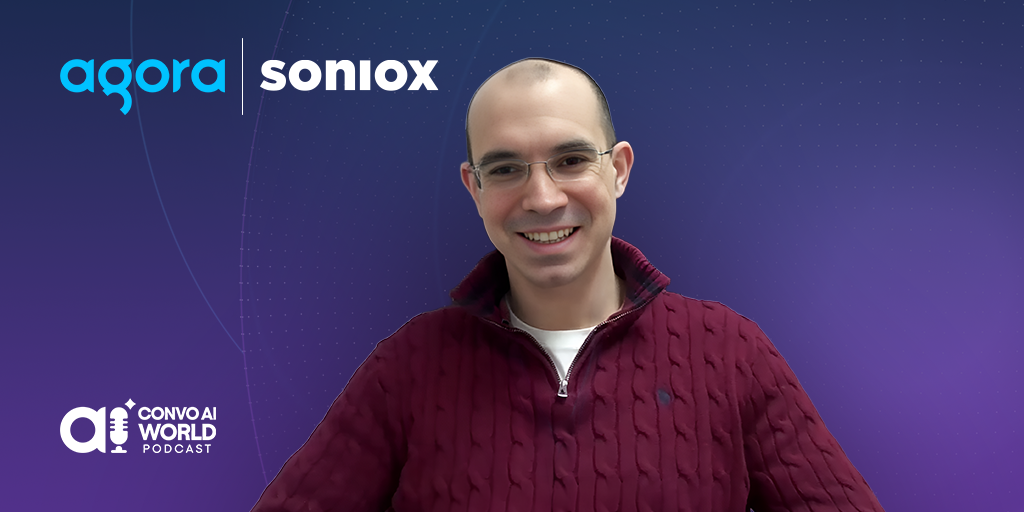
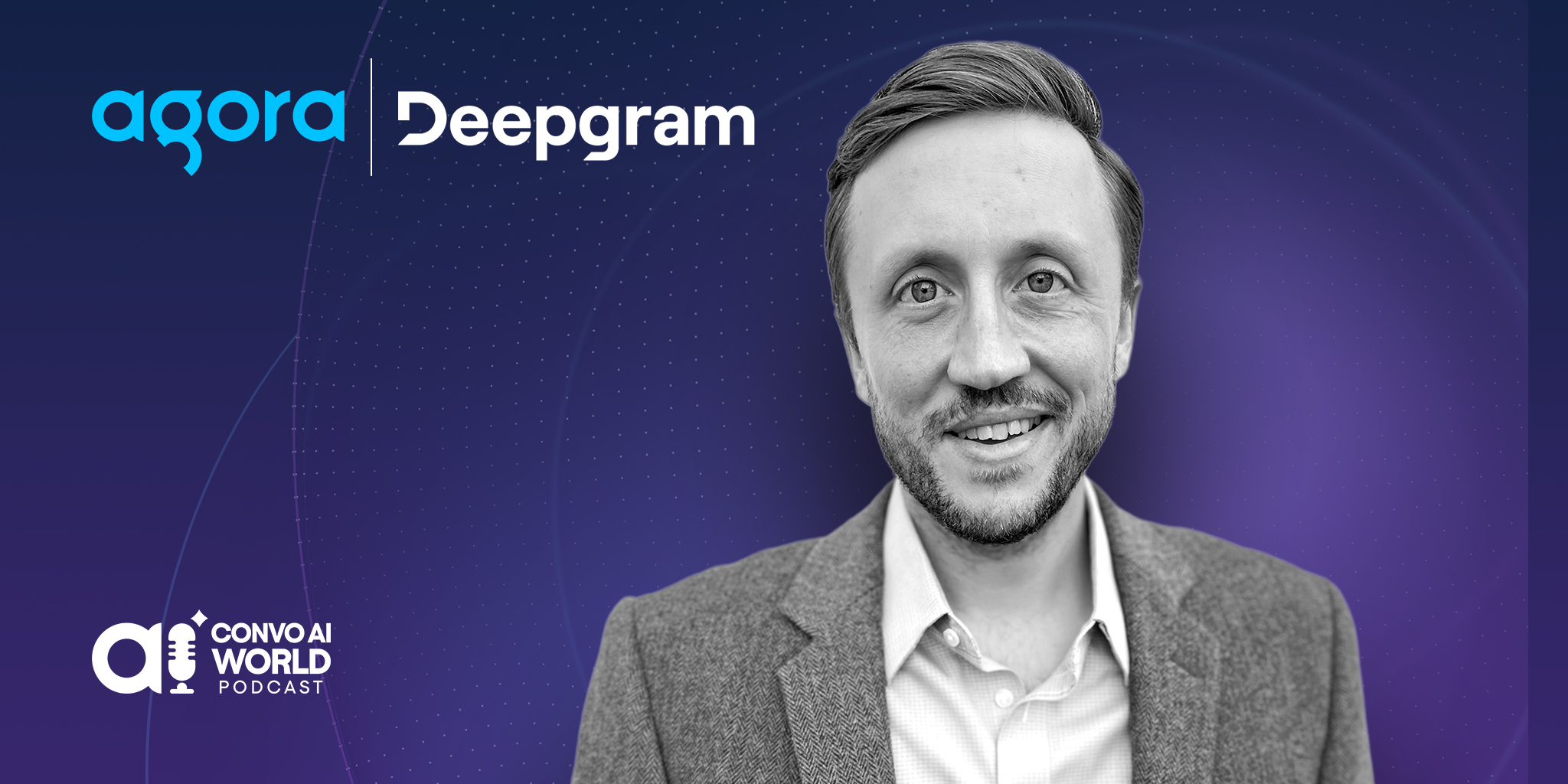
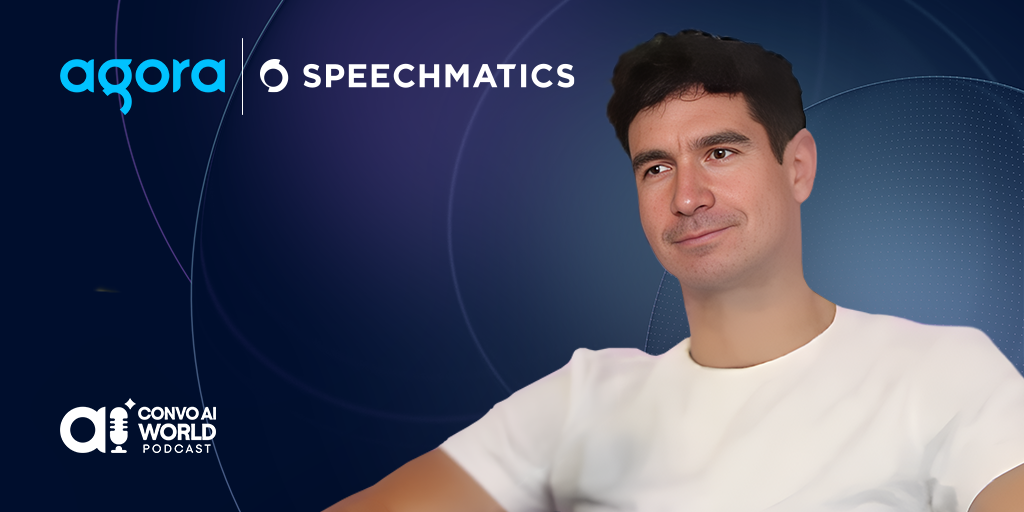
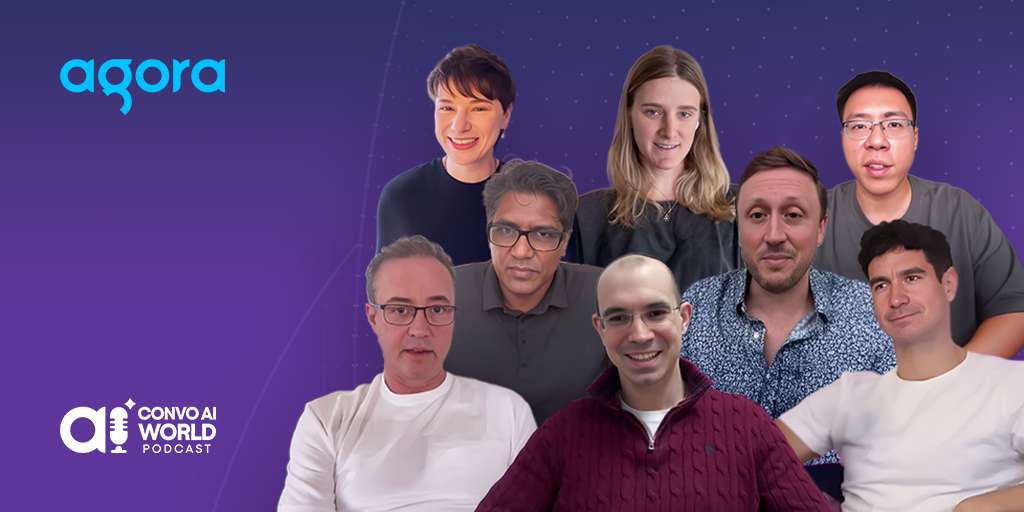
The Speech-to-Text Masterclass brings together people working across the voice stack. I heard from Ben Weekes, Chief Architect and Principal Engineer at Agora, Ricardo Herreros-Symons, Chief Strategy and Revenue Officer at Speechmatics, Klemen Simonic, founder and CEO of Soniox, Lily Clifford, co-founder and CEO of Rime, Ziyi Lin, speech engineer on the TEN Framework team, Ram Katamaraja, founder of Colaberry, Emilia Molimpakis, co-founder and CEO of thymia, and Andrew Seagraves, VP of Research at Deepgram.
What stood out to me was how quickly the discussion moved beyond headline accuracy. The useful question is how a recognizer performs under the audio, language, vocabulary, and latency constraints of the actual product—and what happens when it misrecognizes a word.
Why Transcripts Still Matter in Production
Ben broke the familiar cascading voice pipeline into three parts: speech-to-text converts the user’s audio into words, a language model determines how to respond, and text-to-speech converts that response back into audio. Because each stage can use a different provider, teams can choose the models that best fit their language, latency, and deployment needs.
Direct speech-to-speech models can sound more fluid and preserve more emotion, but they offer less visibility. Ben has seen generated audio and its accompanying text fail to match exactly. His point stayed with me: a transcript is not just an intermediate step; it is often the record teams need to inspect and improve. Ricardo made the enterprise implications clear. Healthcare, finance, and other regulated applications still benefit from auditable text, keeping cascaded and hybrid pipelines relevant for higher-risk work.
Streaming Speech Has Less Context
Andrew described modern speech recognition training as a two-stage process. Pre-training exposes a model to a broad range of speakers, words, and acoustic conditions. Post-training uses carefully labeled data to improve consistency in the domains that matter. A model such as Whisper is therefore a strong starting point, not a complete production system.
Streaming introduces another constraint. A batch model can examine an entire recording before producing a transcript. A real-time model works with short buffers and cannot see what comes next. It must decide when there is enough evidence to emit a word, making errors more likely and exposing every correction as it happens.
One of Andrew’s most useful reminders was that relevant data can matter more than model size. A smaller model trained on the right data may achieve the same accuracy while making it easier to meet strict latency and scale targets.
VAD Shapes Every Turn
Ziyi called voice activity detection the traffic controller of the pipeline, and the description fits. VAD marks when speech begins and ends. The end-of-speech signal tells the recognizer to finalize the transcript so the language model can start working, while a new start-of-speech signal indicates that the user may be interrupting.
Those decisions shape how responsive an agent feels. Wait too long, and the pause becomes awkward; move too early, and the agent may cut the speaker off. Ziyi noted that VAD can run on an edge device, reducing latency while keeping silence and background noise from reaching the recognizer. That made VAD feel less like a background utility and more like part of the conversation design.
Accuracy Lives in the Long Tail
Ricardo has heard for years that speech recognition is solved. His response is that the boundary keeps moving. Clean audio in a common language is just one case. Add overlapping speakers, specialized terms, regional accents, code-switching, or a weak microphone, and the task changes quickly. The same is true across languages with very different amounts of training data.
Klemen built Soniox around that imbalance. Human-labeled audio is abundant for English but scarce for many other languages, so Soniox uses self-supervised learning to draw on larger pools of audio and text. Klemen said its single multilingual model now targets native-speaker accuracy across more than 60 languages, including conversations where speakers switch languages.
Rare words remain difficult even in well-supported languages. Names, medical terms, and company-specific vocabulary may appear too infrequently for a general model to learn reliably. Lily’s work at Rime shows why teams also need a recovery path. When an agent mispronounces an unfamiliar term, developers need controls to correct it. The same principle applies to speech-to-text: production testing must include the words and speakers the application will encounter, along with a clear way to investigate failures that benchmarks miss.
Build the Pipeline Around the Use Case
Ram showed how a modular architecture helps enterprises manage these trade-offs. Agora can provide the real-time voice layer across WebRTC, SIP, and traditional phone connections, while an application connects its chosen speech, language, orchestration, and business systems behind it. Teams can change one component without rebuilding the entire experience.
Emilia added another reason to preserve access to the audio. At thymia, voice can carry signals related to fatigue, stress, and health alongside the words themselves. Because those signals also vary with age, accent, and culture, models must separate the pattern they need from the rest of the speaker’s identity. The pipeline has to reflect what the application may retain and what it decides.
I came away with a practical way to evaluate speech-to-text: test it with the accents, vocabulary, noise, interruptions, and network conditions its users will encounter. Measure whether the first words are correct, not just how quickly any text appears. And keep enough of the pipeline visible to investigate and correct a mistake.
The full masterclass delves deeper into cascading and speech-to-speech architectures, real-time model training, VAD, multilingual recognition, pronunciation control, voice biomarkers, and the infrastructure supporting production voice AI.
Watch the Speech to Text Masterclass: https://www.youtube.com/watch?v=xxNf9IkG-sM
Ready to build
- Explore: Agora Conversational AI Engine
- Learn: The Anatomy of Voice AI Agents
- Join: Our Developer Community on Discord
Why Speech Recognition Is Still an Open ProblemHermes Frangoudis